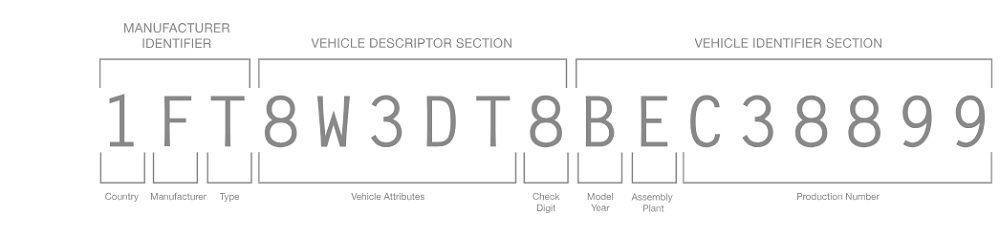
In the complex world of automotive technology, data integrity and robust testing are paramount. Every vehicle is identified by a unique 17-character code known as a Vehicle Identification Number, or VIN, a crucial piece of data that adheres to the international ISO 3779 standard. For developers, educators, and data analysts working with automotive systems, accessing and manipulating VINs is essential. However, using real VINs for testing or learning presents significant privacy and ethical challenges. This is where a VIN number generator becomes an indispensable tool, offering a safe, compliant, and highly effective solution for creating valid, yet entirely fictional, VINs.
Our generator serves as a flagship hub, designed to empower you with the knowledge and tools to understand, create, and utilize VINs responsibly. From ensuring your software can handle every possible VIN configuration to educating the next generation of automotive experts, this resource is built for precision and peace of mind.
The Essential Role of VINs in the Automotive World
A VIN is more than just a serial number; it's a vehicle's fingerprint, encoding vital information about its specifications, manufacturer, and production details. This unique identifier allows for accurate tracking, registration, and recall management across the globe. Understanding its structure is foundational to anyone working within the automotive ecosystem.
Decoding the 17-Character Code: What Every VIN Tells You
Every position within a VIN carries specific meaning, from identifying the country of origin to the vehicle's model year and sequential production number. The first three characters form the World Manufacturer Identifier (WMI), followed by the Vehicle Descriptor Section (VDS), and then critical details like the check digit, model year, plant code, and sequential production number. Delving into these specific segments is key to mastering vehicle data. To truly grasp the architecture and significance of each segment, we encourage you to start your journey by Understanding VIN Structure & Standards.
Why You Need a VIN Number Generator: Beyond Just Random Numbers
The primary function of a VIN generator is to produce ISO 3779 compliant VINs that are random and do not correspond to any real vehicle. This capability is invaluable across several domains, eliminating the risks associated with using sensitive, real-world data. Whether you're a software developer, a student, or a data scientist, the applications are broad and impactful. To gain a deeper perspective on how these tools are utilized in various professional and educational settings, you can Explore VIN generation use cases. Discover the full spectrum of possibilities.
Powering Automotive Testing and Software Development
For developers, a VIN generator is a critical component of a robust testing strategy. It allows for the creation of diverse datasets to validate software systems, databases, and registration platforms without compromising security or privacy. Best practices dictate never using real VINs in testing; instead, relying on clearly fake, yet format-compliant, numbers is essential. This enables comprehensive testing scenarios, including edge cases like invalid characters, incorrect lengths, and invalid check digits, ensuring your applications are resilient and reliable. Moreover, meticulous documentation of test data sources and audit trails maintains compliance and transparency.
An Invaluable Educational Resource
Beyond development, these generators serve as powerful educational tools. They provide a practical way to learn about VIN structure, validation rules, and manufacturer codes. Students can experiment with generating various VINs, understanding how different inputs affect the output, and ultimately grasping the underlying standards that govern vehicle identification worldwide.
The Science Behind a Valid VIN: Structure, Validation, and Rules
The validity of a VIN isn't arbitrary; it's governed by a specific set of rules and a mathematical algorithm. A valid VIN must always be exactly 17 characters long, using letters A-Z and numbers 0-9, with crucial exceptions for the letters I, O, and Q to prevent confusion. The most critical component for validation is the check digit at position 9. This digit is calculated using a complex ISO 3779 algorithm, ensuring the VIN's authenticity and integrity. Incorrect length, invalid characters, or an unmatched check digit will immediately render a VIN invalid. Dive deeper into the mechanics of verifying these codes and what each character signifies by opting to Learn VIN validation and decoding.
How to Effectively Generate and Utilize VINs
Our VIN generator offers sophisticated capabilities, enabling you to create compliant VINs tailored to your specific needs. Users can typically specify a manufacturer from a comprehensive database that includes major players like Ford, Toyota, BMW, and Mercedes-Benz, ensuring authentic WMI codes. You can also define a model year within a specified range or allow for complete randomization. For those interested in the programmatic side of creating compliant identifiers, understanding the underlying algorithms is crucial. If you're looking to understand the core logic and build your own system or integrate generation capabilities, you'll want to Generate a valid VIN with a detailed exploration of manual and programming methods. Furthermore, for convenient access and diverse output options, most advanced generators provide batch processing and export capabilities in formats such as Plain text (.txt), CSV (.csv) with detailed metadata, and JSON (.json), offering full validation information. Ketika Anda siap untuk menemukan solusi yang paling sesuai dengan kebutuhan Anda, Berikut adalah beberapa pilihan: Discover top online VIN generator tools reviewed.
Ensuring Compliance and Ethical Use of Generated VINs
Adherence to the ISO 3779 international standard is a cornerstone of any reliable VIN generator. While the VINs produced are fake, the ethical considerations remain paramount. It's crucial to use these generated VINs transparently, clearly marking them for testing, development, and educational purposes only. They must never be used for commercial transactions, fraudulent activities, or anything that implies they represent real vehicles. Even with fake data, robust data protection measures should be in place, especially when handling or storing test data. This commitment to compliance and ethical use ensures that the tool remains a beneficial and responsible resource for the automotive community.
The journey into understanding and utilizing VIN number generators is one of empowering innovation and responsible data management. By leveraging these tools, you're not just creating strings of characters; you're building more secure systems, fostering deeper understanding, and contributing to a more robust automotive future.